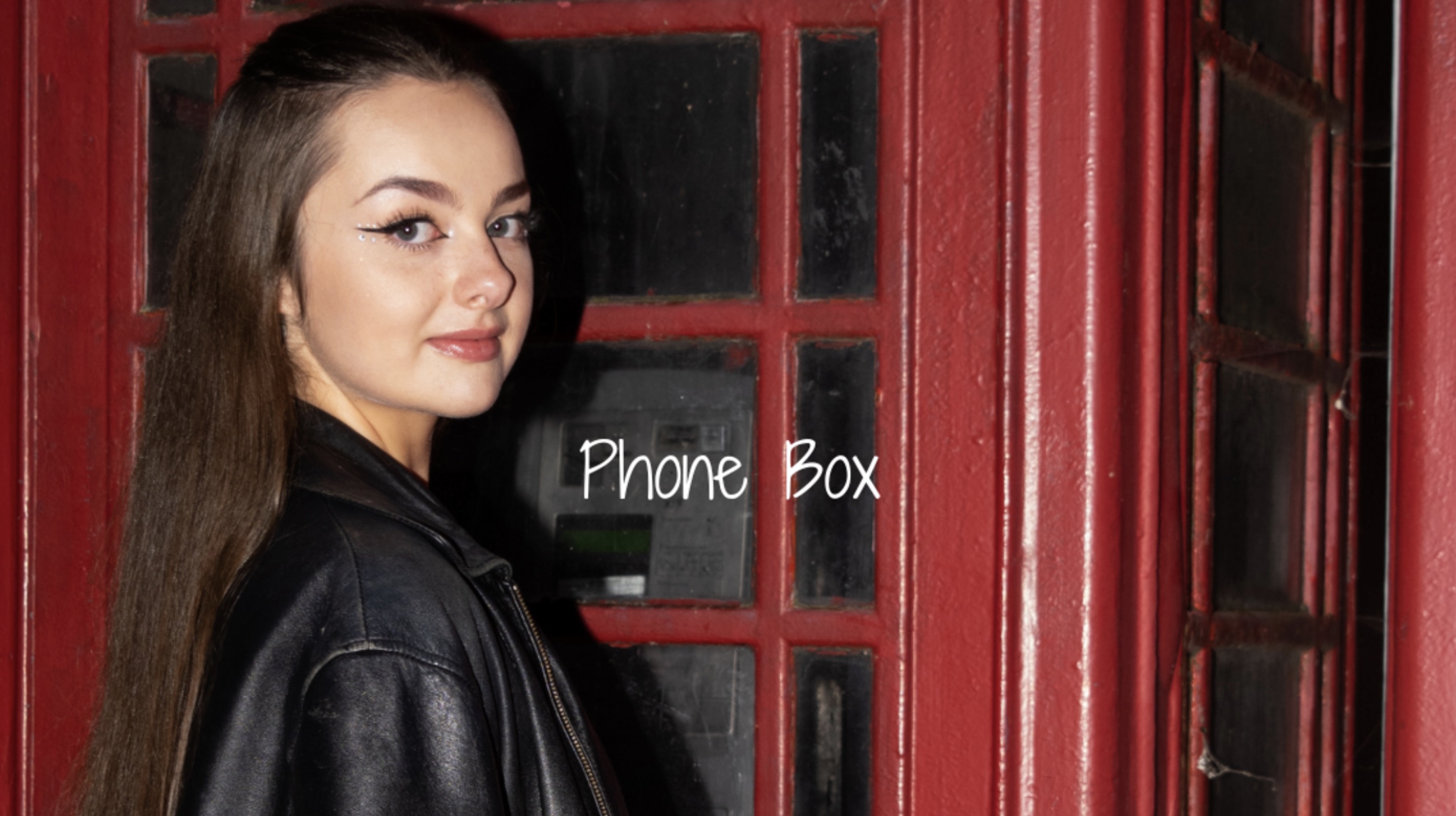
Rosie Gault returns with ‘Phone Box’, an intimate and reflective new single that lands on 20 December. The track captures a world shaped by longing, regret, and the inner conversations that echo during heartbreak. Rosie introduces the song through a family story told over wine, turning a simple moment into a thoughtful look at how memories shape us. She frames the single as a journey between real connection and imagined closure, a space many listeners will recognise.
The inspiration came from a conversation with her grandma, known as Ama, who shared stories about calling boys from a phone box. Those scenes of cold evenings, loose change, and silence before a voice on the other end sparked something for Rosie. She explains that she “became obsessed with a daydream, forgetting consequences for just one conversation”. That idea sits at the centre of the lyric, tying the past and present together with a clear emotional thread. The song reflects the fragile feeling of wanting something you cannot reach, yet trying anyway.
The production begins with a textured soundscape of passing cars and dial tones. These elements set the scene with intention, placing listeners in the doorway of the phone box before the music arrives. The track then shifts into gentle piano, followed by Rosie’s most detailed vocal arrangement to date. Because the performance stems from a place of vulnerability, the choices stay subtle and grounded. She draws attention to the bridge in particular, noting that the vocals rise as her thoughts quicken. The moment reveals her inner conflict, which gives the song its shape.
A single rooted in memory and imagination
‘Phone Box’ captures the sensation of replaying a conversation that never happened. Rosie focuses on the emotional fallout that lingers when closure depends on imagination. The song reflects the pull of fantasy, especially when truth feels too heavy to face. Although the story starts with Ama’s memory, Rosie expands it into something wider. The lyric holds moments of reflection, self-doubt, and the hope that a final message could shift the past.
The track highlights the familiar conflict between acceptance and escape. Rosie describes the ending as a secret she shares with the listener, which adds an extra layer of intimacy. The arrangement follows her lead without drifting toward excess. Instead, the production keeps the focus on the lyric, the voice, and the feeling of being suspended in time. The piano carries a soft rhythm beneath the vocal line, which reinforces the writing without pulling attention away from it.
The single acts as a bridge between memory and invention. Rosie shows how heartbreak often sits in the gap between what was said and what could have been said. The imagery of the phone box becomes a symbol for hesitation, fear, and the pull of unfinished business. Because the track draws from real family history, it feels grounded. Yet it also holds a dream-like quality, shaped by the imagination that fuels the daydream at its core. Listeners follow her to the same place, sharing the quiet pause before the call.
Review
‘Phone Box’ stands out as a thoughtful and well-shaped release from Rosie. The storytelling remains tight, yet each detail carries emotion. Her vocal performance leads the song with clarity, and the shift in intensity during the bridge gives the track a natural rise. The production stays supportive, with small choices that echo the theme without overpowering it. The soundscape at the start gives the song a cinematic edge, while the piano keeps it grounded.
The single succeeds because it leans into honesty rather than spectacle. Rosie’s writing feels careful and direct, and the delivery mirrors that approach. The lyric captures the quiet ache of wondering what might have happened, and the melody supports that tone with steady grace. ‘Phone Box’ feels complete, confident, and ready to connect with anyone who has replayed their own imaginary conversations.
You can follow Rosie Gault over on Instagram.
