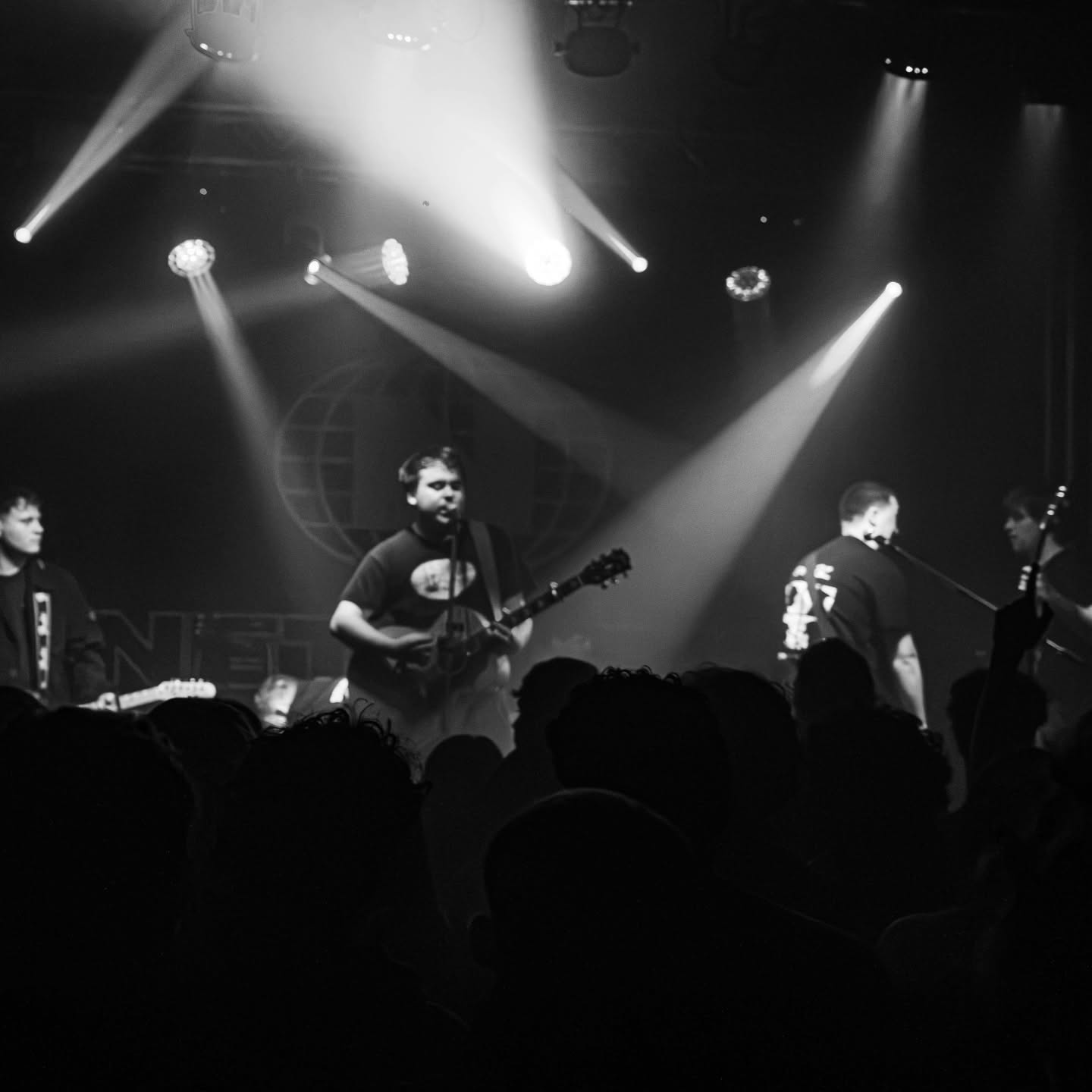
[The Echosound Festival offered thirty plus artists on a packed bill across around ten hours of music. Too much for one article so we’ll split the highlights across a few pieces. The artists aren’t necessarily covered in chronological order – to be honest the order of witnessing things became a bit of a haze as the day progressed but are grouped more in themes. Just in case anyone was wondering why it jumps around a little!]
By the time Echosound reaches its later stages, technical difficulties on the main stage and the inevitable slippage in the running order have begun to play havoc with the carefully constructed timetable. Sets on the two main stages are now overlapping significantly, forcing audiences to make increasingly difficult choices about where to spend their time. The democratic ideal of the multi-stage festival, where everybody gets to see everything they want, has for a while, collapsed into a logistical lottery. Those appearing on the second stage are effectively gambling on whether their potential audience is still elsewhere watching the headliners.
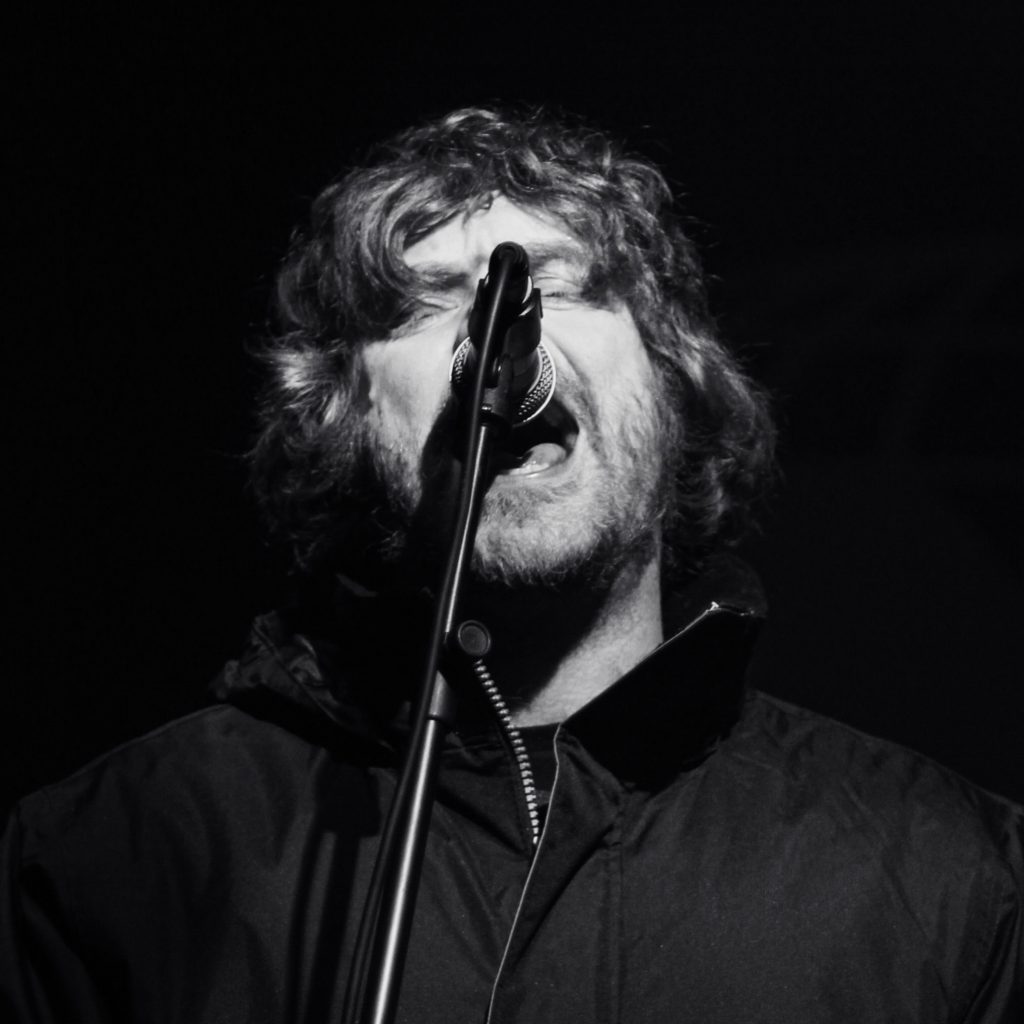
Mat Hook draws something of a losing ticket.
With much of the festival crowd occupied in the main room, Hook finds himself performing to a smaller audience than his billing might otherwise have attracted. But rather than allowing the circumstances to dictate the performance, he delivers a consummately professional set for those who’ve made the effort to be there.
Hook is something of an old stager these days, having spent the best part of two decades in and around the northern indie-rock scene, albeit with a lengthy spell on the sidelines along the way. That experience counts for something. There’s a confidence to his performance that comes from knowing exactly how to handle a stage, even when the circumstances aren’t particularly accommodating. His repertoire of Verve-esque anthems is delivered with a swagger that feels entirely natural, the songs given additional weight by the accomplished backing band that has coalesced around him over the past twelve months.
Once the frontman of Kartica, one of those almost-breakthrough bands that appeared destined for something significant before imploding on the brink of success, Hook has spent much of his subsequent solo career exploring more introspective territory. But there are signs that he’s finally made peace with that earlier chapter. Some of the old Kartica favourites have returned to the set, flexing their rock muscles alongside the more reflective material of his recent years. Rather than attempting to escape his musical past, he’s begun incorporating it into something that feels like a more complete picture of the artist he’s become.
Runaway Road perhaps embodies that journey better than anything else. Older, possibly wiser, but evidently still driven by the same compulsion to make music that set him on this particular road in the first place. It’s a song that feels lived in, delivered by somebody who’s experienced both the promises and disappointments of the music industry and somehow retained enough enthusiasm to keep going.
He closes with a rousing rendition of Oasis’ Live Forever, just as the crowd from the main room begins filtering through the doors. Suddenly the audience swells, the familiar chorus rings out and the late arrivals enthusiastically join the celebration.
Should’ve been here earlier, mate.
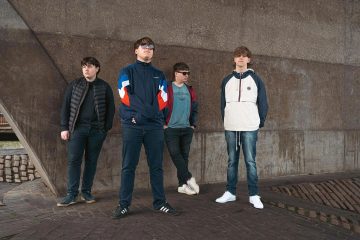
The Public Eye, meanwhile, manage to turn the festival’s increasingly difficult scheduling to their advantage, attracting an ecstatic throng that presumably leaves the main room looking somewhat depleted. Such are the strange mechanics of the modern festival. One artist can find himself playing to a fraction of the available audience, while another, on the neighbouring stage, appears to have summoned half the city.
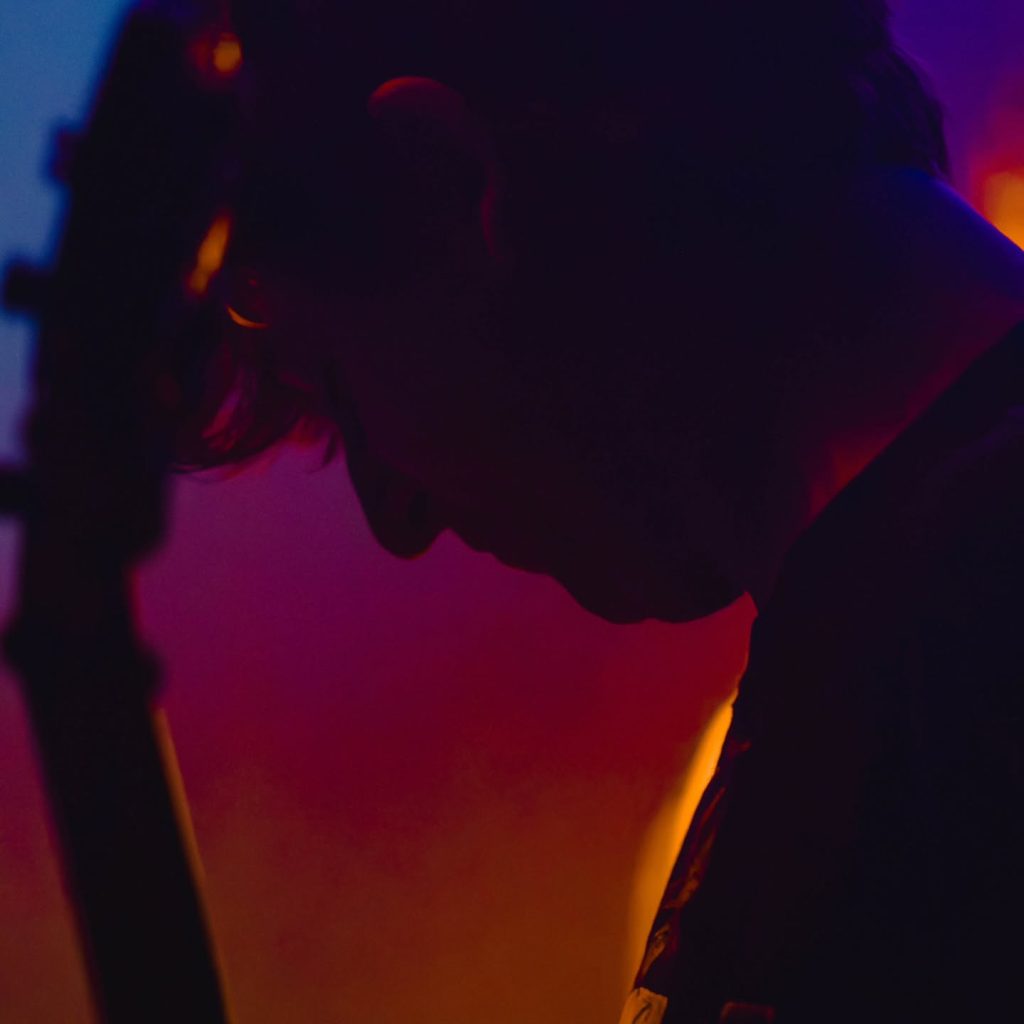
And The Public Eye are certainly giving them something worth turning up for.
The Derby outfit aren’t attempting to dismantle the established conventions of British indie rock. Their influences are worn openly, the guitars are loud, the choruses enormous and the rhythms designed to get people moving. But there’s something to be said for knowing exactly what you want to do and doing it with sufficient conviction that everybody else gets swept along for the ride.
Within minutes, we have the first proper mosh pit I’ve witnessed all day. The band tear through half an hour of pounding drums, muscular guitar riffs and soaring choruses, while the crowd respond with the sort of uninhibited enthusiasm that festival organisers probably imagine when they’re putting together their promotional material.
They work through their back catalogue to the obvious delight of an audience considerably better acquainted with these songs than I was beforehand. But that’s my failing rather than theirs. There’s clearly been a growing relationship between this band and their followers, and the reaction suggests that the connection is becoming something rather more substantial than the usual passing enthusiasm for another promising young indie outfit.
As with so many emerging bands, it’s the early singles that provoke some of the most frantic responses. Blue Note is sung back at the stage with remarkable gusto, the crowd bouncing, arms punching the air and the whole room surrendering itself to the familiar communal ritual of loud guitars and shared choruses.
But it’s the more recent Julia that provides one of the evening’s defining moments. An expansive, anthemic number that suggests The Public Eye are already beginning to move beyond the immediacy of their earliest recordings and develop a more assured, ambitious sound. Crucially, their audience appears perfectly willing to follow them. Every word is greeted like an old favourite, the song building towards a thunderous climax as the lights strobe and the assembled masses lose whatever remained of their collective composure.
There’s nothing particularly revolutionary about any of this, of course. Five lads, guitars, drums and a room full of people behaving as though the fate of civilisation depends upon the next chorus. The music industry has been packaging and repackaging that particular formula for decades. But occasionally a band comes along that reminds you why the formula worked in the first place. Not because somebody in a marketing department has identified a lucrative demographic, but because the songs connect and the audience responds.
And right now, The Public Eye are making that connection with considerable force.
They may have emerged relatively unannounced from the Derby music scene, but they’re no longer content to remain on its fringes. The songs are getting bigger, the audiences are getting louder and the band are beginning to carry themselves like they belong on considerably larger stages.
The Public Eye are demanding a seat at the big indie table.
And judging by the reception tonight, somebody had better pull out a chair.
Mat Hook is headlining the same venue in February, which is almost sold out. He is also appearing at dates across the UK. The Public Eye are currently winding up their last few dates of 2026. Images of he Public Eye by CF Photography and of Mat Hook by b12rodie. Go check them out – they are talented visual artists and take much better pictures than the crappy ones I managed!

 Tap Share, then Add to Home Screen.