Once upon a time it was Saturday night.
Always Saturday night.
People wanted to be together. To have fun. To smile. To dance.
Whether that meant a superclub, a field or some abandoned aerodrome commandeered for the night by an enterprising collection of chancers with a generator and a telephone number, barely mattered. The music mattered. The event mattered. The people mattered.
For a glorious moment, it felt like somebody had accidentally discovered a different way of doing things.
Then things changed.
The establishment reacted to rave much as establishments tend to react when large numbers of young people start organising themselves and having fun without permission. Legislation followed. Moral panic followed. And while the scene was being squeezed from above, it was changing from within. The chancers and idealists were gradually joined, and often replaced, by gangsters and capitalists. The ideals shifted. The drugs changed.
Things got darker.
And the music changed. Saturday nights changed.
Life moves on.
But every now and then a record arrives that opens a door you thought had been permanently bricked up.
Shak Jackson makes music that could soundtrack those heady nights when this wasn’t retro, revival or an exercise in carefully curated nostalgia. When it was simply the thing.
Faces arrives with euphoric piano stabs before a pounding beat kicks the doors open. Synths rise and swirl. Everything builds. Everything points upwards.
Then a voice begins to remember.
Not dates. Not venues. Not who played what at which legendary night.
It’s a memory of feelings.
Devotion. Wonderment. Togetherness.
And smiles.
Big smiles on faces.
Because there is nowhere to be miserable in this music.
No darkness to sit in and intellectualise about the essential futility of human existence. No tortured singer-songwriter staring at their shoes. No algorithmically optimised sadness delivered directly to your headphones.
There is only light.
Pulsing light.
That piano.
That beat.
And then the drop.
For a few seconds you can see it. A thousand faces looking towards the ceiling – or the sky – before turning to their mates, the person next to them, some complete stranger whose name they will never know.
Grinning.
Dancing.
Together.
And perhaps that’s what Faces really resurrects. Not 1991 itself, because you can’t go backwards and probably shouldn’t try. It resurrects the wonderfully unfashionable idea that music can be communal. That its purpose might occasionally be something more primitive than personal branding, content creation or demonstrating the exquisite superiority of your record collection.
Sometimes music exists because several hundred people in a room want to lose their minds simultaneously.
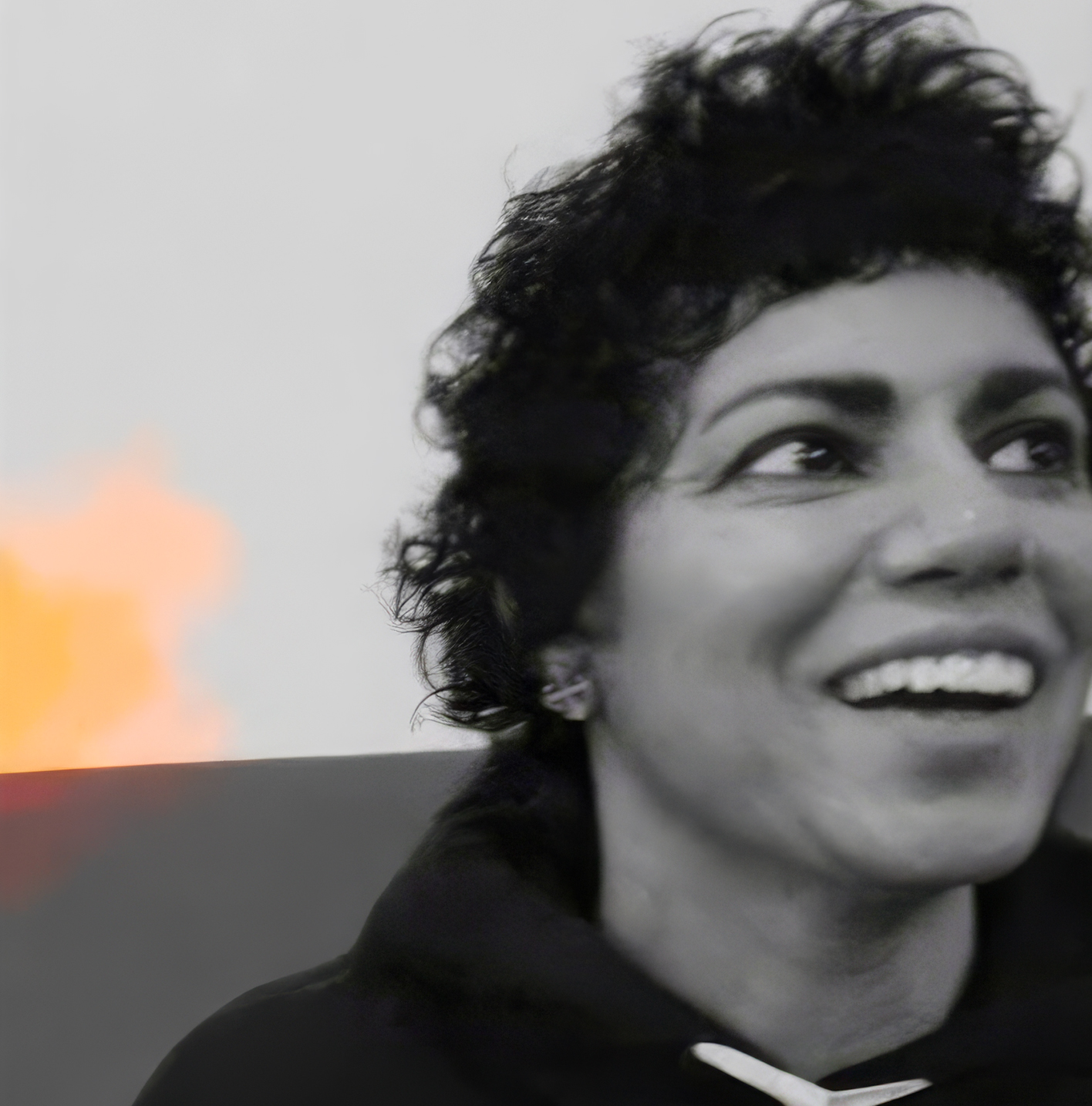
Shak Jackson is still ploughing that particular furrow. A female force in a corner of dance music that remains conspicuously male-dominated, but that’s not ultimately why she stands out.
She stands out because the music is so damn good.
Faces doesn’t treat the past like a museum exhibit. It steals what was brilliant about it. The pianos, the propulsion, the ridiculous optimism. And it switches it all back on.
Nostalgia doesn’t have to mean wishing you were young again.
Sometimes you just want Saturday night back.
Put your hands in the air.
Party like it’s 1991.
Shak Jackson continues to release a steady stream of music, putting records out on various labels. Faces is out now on the relevant streaming platforms. In between that she finds time to make regular appearances at various rave parties around the country.

 Tap Share, then Add to Home Screen.