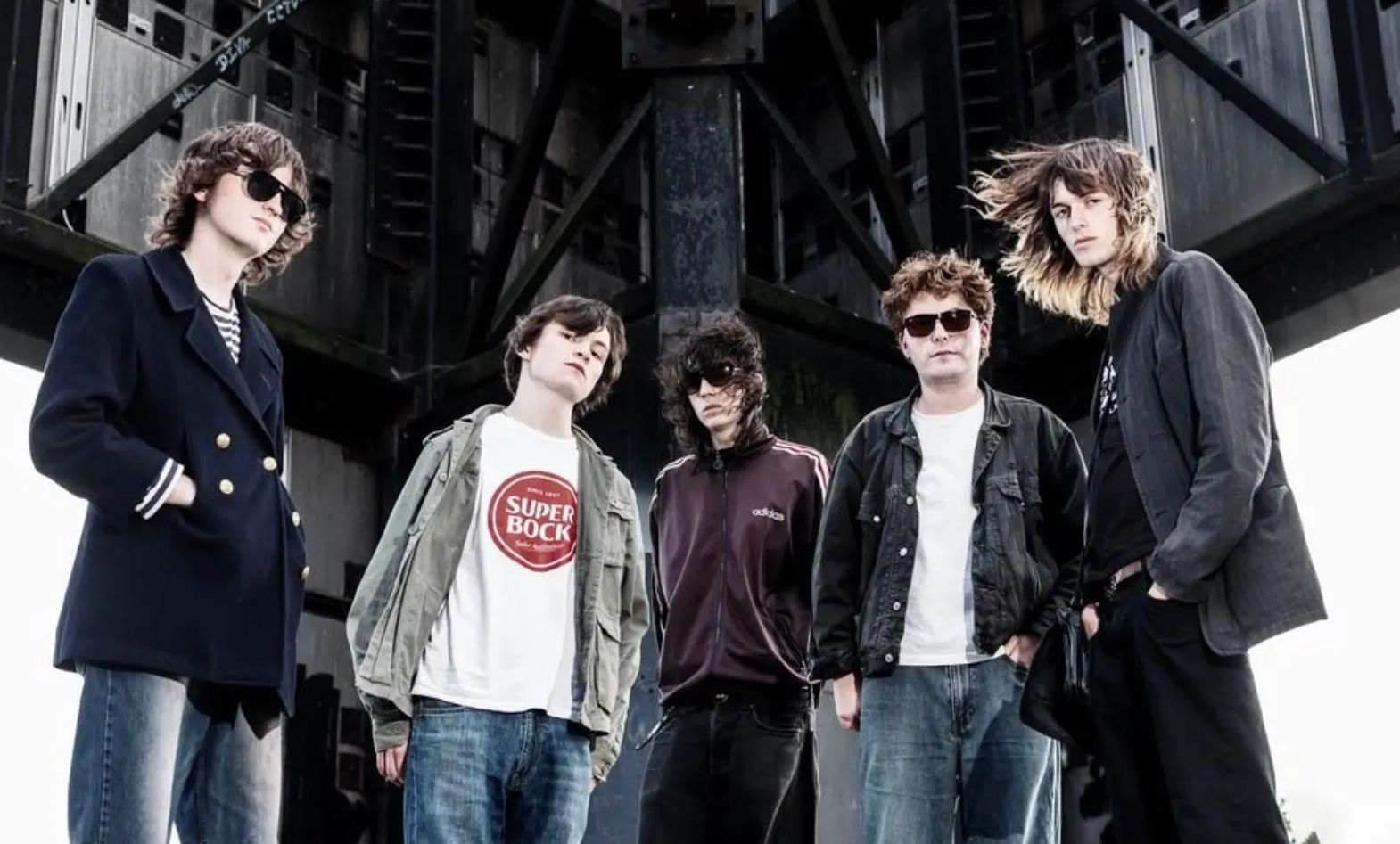
Fatale emerge fully formed and blinking into the Glasgow light. Having developed somewhere inside the nascent and downright essential Cabbage scene (yes, it’s a thing), they finally unleash their pop fury on the world with the Saint Mungo EP.
Six tracks. A band not developing, but developed. No apprenticeship required. This is it. It starts here.
Moves You drags you in, kicking but not screaming. Fuzzed guitars collide with bounding pop energy, conjuring the glorious racket of those early Soup Dragons singles before charging headlong through several decades of Scottish jangle, distortion and people making beautiful noises with cheap guitars. But this isn’t an exercise in looking backwards. Glasgow has enough musical history already.
Fatale are interested in what happens next.
Winged Horse and Another Sunrise spin past in a blur. Incessant melodies. Driven beats. Chiming guitars. Words tumbling over words. The whole thing carries that peculiar Scottish knack for hiding melancholy inside something that makes you want to jump around. Boundless energy is best experienced loud. Preferably loud enough to annoy somebody downstairs.
Then comes Jesus Christ, the EP’s glorious, dishevelled centrepiece. It hits with an urgent buzz, spiralling lyrics inspired by a particularly heavy morning after a hedonistic night before. Pounding drums thunder beneath the fuzz while the vocals soar above it all. This is Glasgow on Saturday night colliding headfirst with Glasgow on Sunday morning.
Hedonism is here in full effect. The night out. The morning after. The missing hours. And all the stories that follow you around for weeks afterwards.
It is also a song already demanding a festival field and several hundred people throwing themselves at one another. Give it time.
Saint Mungo itself arrives like the patron saint has finally decided enough is enough and turned the volume down. More introspective after the frenzy of Jesus Christ, but no less thrilling for it. A chance to catch your breath while harmonies pour across the song as though The Byrds stopped off on the Clyde, wandered into the studio and decided to stay for the afternoon. Still essential. Still powerful. Just looking at the city from a slightly different angle.
The set closes with a demo of Long Hair. Guitar. Voice. A little synth. That’s about it. And that’s all it needs. Echoing those aching early Primal Scream ballads, it meanders past on the walk home like a half-remembered moment from the frenzy that preceded it. Streetlights reflected in wet pavements. Last bus gone. Somewhere behind you the party continues.
And then it’s over.
If a band isn’t on Spotify, do they really exist?
Fatale don’t seem particularly interested in answering the question.
Saint Mungo exists on twelve inches of vinyl, which feels rather more convincing anyway. No algorithm. No skipping after eight seconds. No begging a multinational technology company to place you between two songs somebody vaguely similar once listened to.
The revolution will not be streamed.
The Cabbage is waiting.
Fatale play regularly round the Glasgow area. Saint Mungo is only available on vinyl from the band’s website. The Cabbage is a Glasgow based collective that put on regular events around the city.

 Tap Share, then Add to Home Screen.