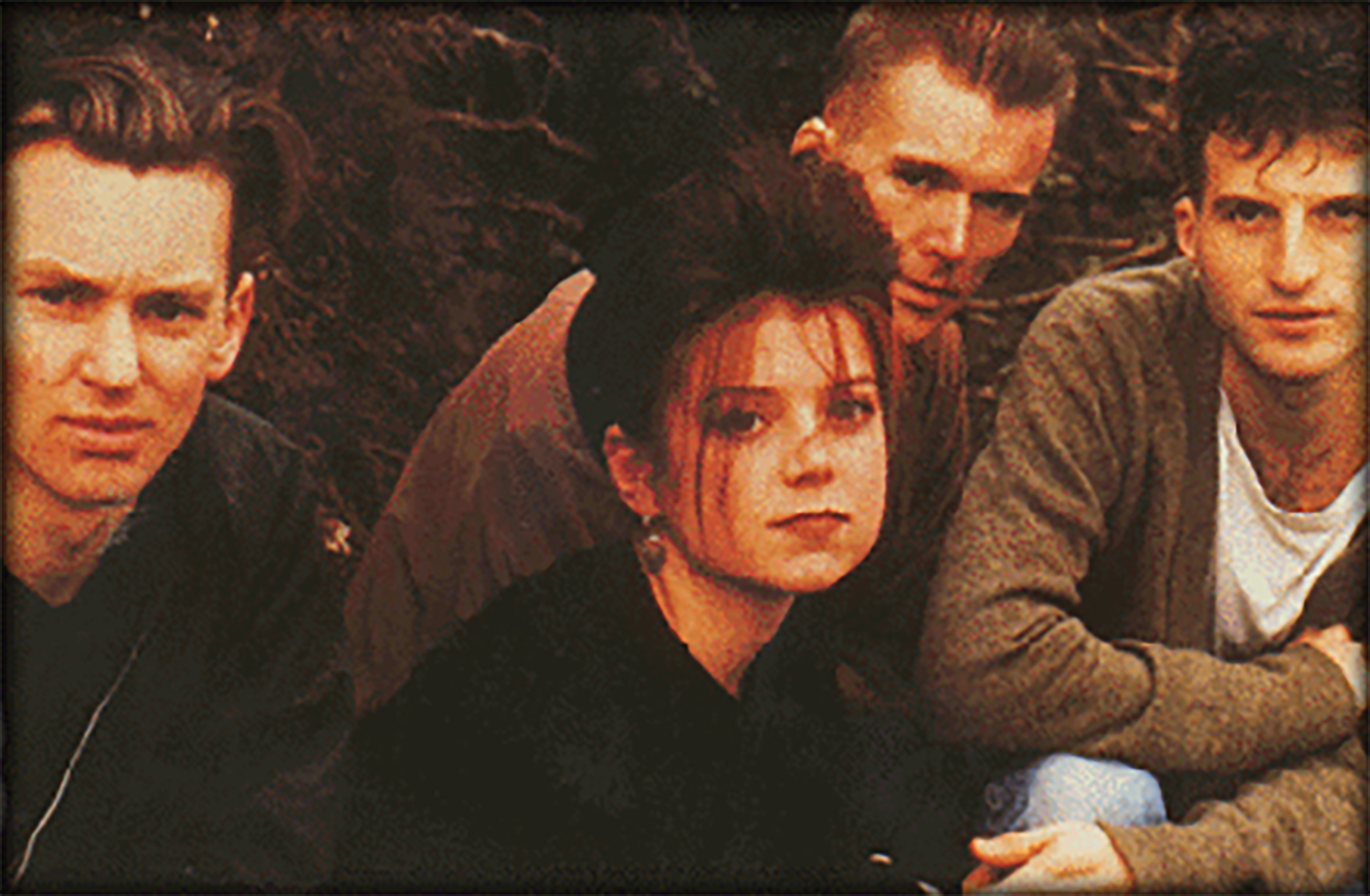
The Sundays appeared almost fully formed when they released their debut single, the ethereal Can’t Be Sure in the first weeks of 1989. They had become something of a cause celebre after getting themselves a support slot following a mailout of demo tapes to various London venues. As it happened the UK music press was there in force, ostensibly to review the headliner. Instead it was The Sundays that caught the reviewers attention as they paraded their fragile, ethereal pop for the first time.
A bidding war broke out overnight as labels large and small vied to take on these fledgeling indie darlings. Having settled on Rough Trade their debut single was duly released to euphoric praise from those same weekly titles that had discovered Harriett Wheeler and co nervously propping up a ramshackle bill one summer evening.
Can’t Be Sure is here in all its fragile beauty, Wheeler’s captivating vocals cascading over simple chiming guitars. It is a tale of desire, inhibition and doubt that shimmers and slides into the ether with almost folkish intent. It’s a tale of emotional insecurity wrapped around the arch humour of someone accepting what they can’t change.
“England my country, the home of the free,
Such miserable weather”
And then there came nothing much for twelve months. All the remainder of 1989 had to show was a few live dates and a Peel session. The band were holed up in the studio wrestling with creating their debut long player. They would later claim that their almost literal overnight success had actually hampered their development. Other bands, they said, would have had two or three years of performing and a whole selection of songs they had honed over that period. The Sundays on the other hand were thrown into the studio with only a few live dates under their belts and a small handful of half finished songs. And so the studio sessions became writing sessions as the band tried to piece together their oeuvre into something approaching an album.
Time moved on. By the time Reading, Writing and Arithmetic appeared blinking into the light of day, almost exactly a year after that first single the music scene was in flux. Baggy was the dominant sound, with its hedonistic dance beats and ecstasy fuelled partying. Shoegaze and grunge were waiting in the wings as the inevitable rise and fall of musical trends drifted into the 1990s.
The Sundays didn’t fit into any scene to speak of and so stood alone as the new decade began. Reading, Writing And Arithmetic was a collection of gentle and introspective tunes built around Wheeler’s yearning vocals. No one really sounded like this. They had more in common with the whimsey of All About Eve, but without the reverential goth trappings, or the Cocteau Twins without the layered waves of instrumentation.
These are tales of unrequited love, self doubt and fragile emotion. Here’s Where The Story Ends is the album’s lyrical tour de force. It is a tale of despair as a youthful relationship disintegrates and the author looks back over a nascent period with a mixture of regret and nostalgia. “It’s that little souvenir, of a terrible year, which makes my eyes feel sore” is the vocal hook that sinks into the mind and lingers long after the album winds its way to a conclusion. This fragile paean snuck out as the band’s second single but despite more music press hype it faded amongst the more raucous offerings of the bands contemporaries. The song would eventually find a new life in a cover by dance duo Tintin Out who managed to bland out all the rough emotional edges and produced a flat delivery that promptly hit the UK charts.
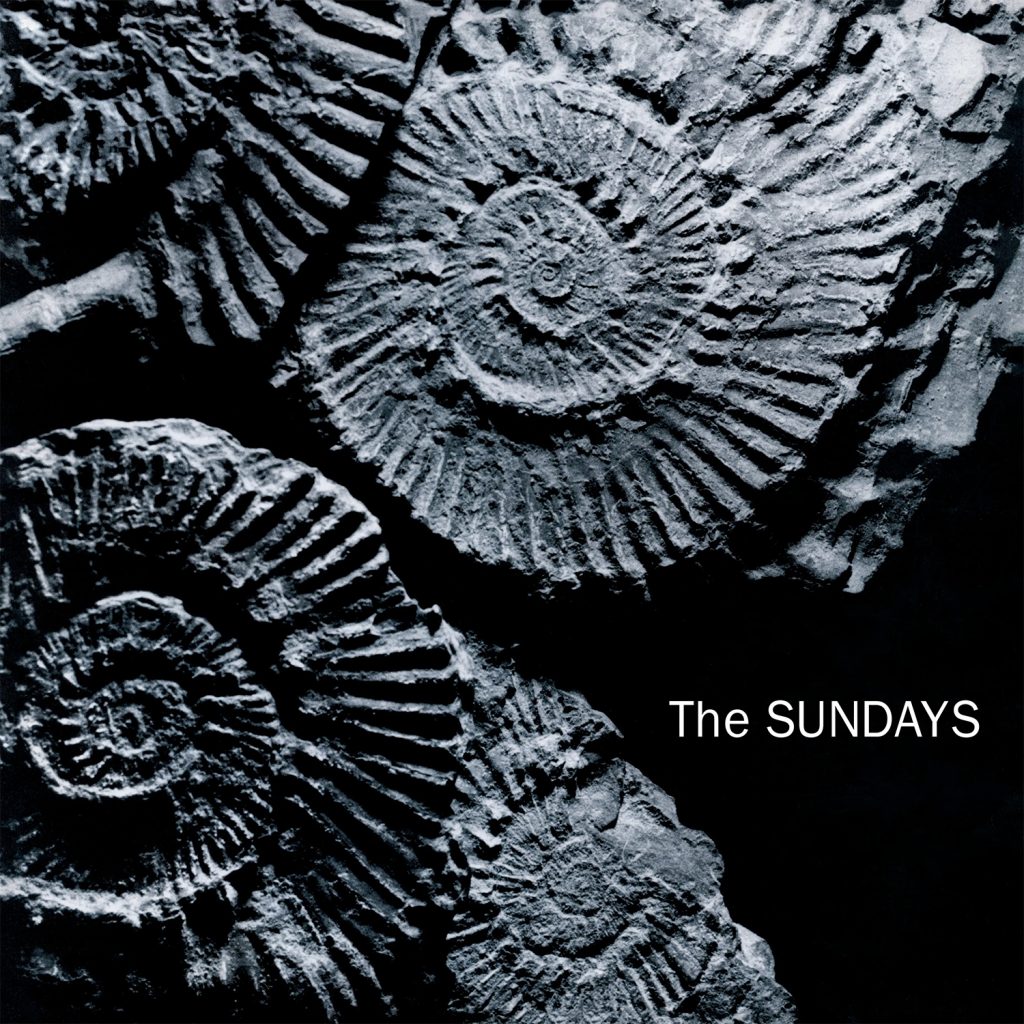
Elsewhere the album ebbs and flows. Producer Ray Shulman strips back the sound, hollowing out any studio trickery, eschewing layering and overdubs in favour of an intimate sound designed to drift across the darkened bedrooms of a thousand student digs. This is an album best listened to in isolation. In the dark. In contemplation.
I Kicked a Boy plays out over Johnny Marr-esque acoustic riffs as Wheeler recounts how she “kicked a boy til he cried” and wonders if that might have been a mistake. My Finest Hour channels The Cocteau Twins in full effect with spiralling vocal twists over luscious ambience. Final track Joy hints at a more fuller, less introspective future as the song builds to an almost rock refrain with the music and vocals finally seeming to throw off the angst and despair that had preceded it.
And that was it. The album was met with critical euphoria and commercial success, breaking into the UK top ten at a time when it was still quite rare for independent artists to make much of an impact. But then, seemingly weighed down by self doubt and expectation the band disappeared again, taking another two years to record their follow up. By the time Blind emerged in 1992 grunge had taken the spotlight and no one seemed to have any time for introspective whimsey, despite a beefier production this time around.
And so The Sundays seemed to disappear as quickly as they appeared. Fading gently into the breeze, half remembered emotions on a winter’s eve. But they had burned brightly for a moment.
The album itself has just been re-released on CD and vinyl for those who are yet to encounter its subtle power. It is a pretty bare bones release with no extra tracks or additional artefacts across either version. But it’s cleanly mastered and crisply pressed and gives the sound its space to breathe and seep into the walls of consciousness.
If you yearn for a simpler experience not saturated in rock and roll excess then you could do worse than picking up a copy for yourself.
The Sundays debut album is available to buy now on CD and vinyl from Amazon. It can also be streamed on Spotify and other streaming platforms

 Tap Share, then Add to Home Screen.