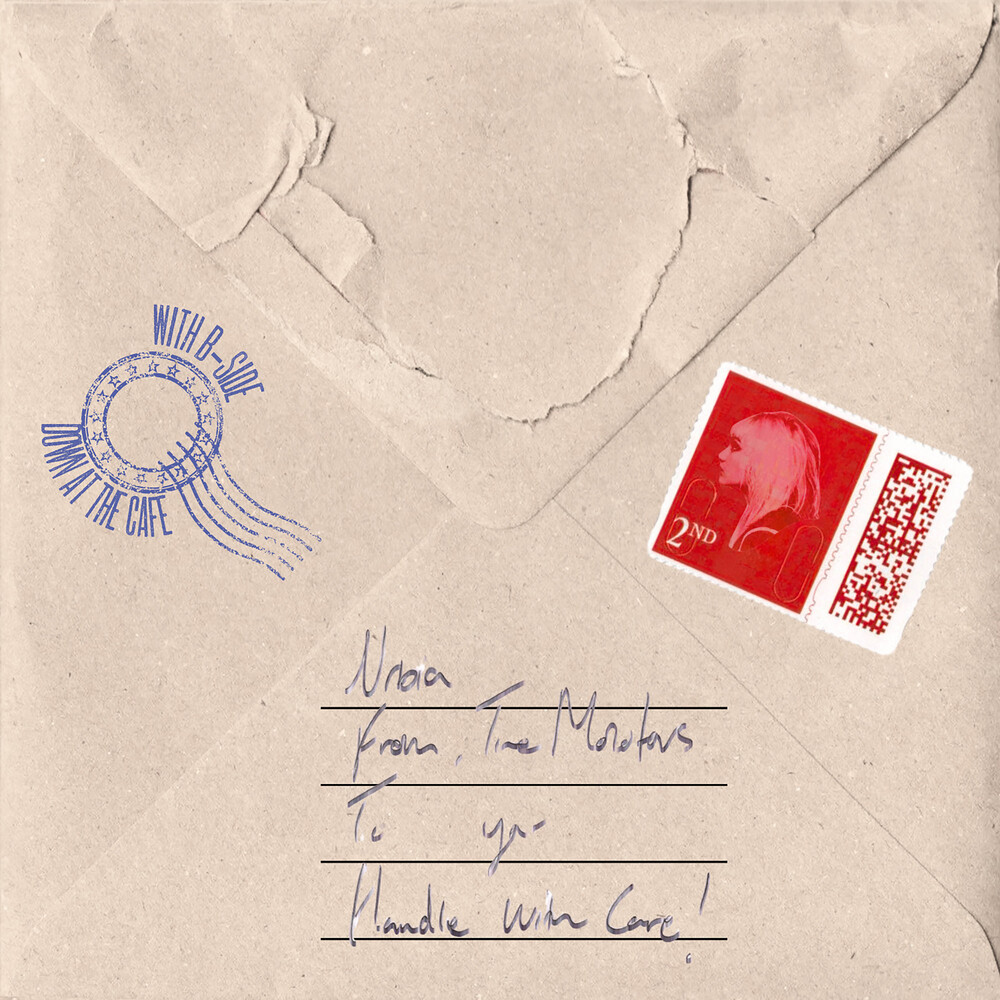
If you thought Mat and Issey Molotov would have settled into their experimental jazz phase by now, prepare for disappointment. The choppy guitars and pounding beats are still present and correct. Mat’s snarling vocals spit out ire and abandon in equal measure, while Issey’s backing vocals add depth to the fury. They wear their influences on their sleeves and clearly don’t give a toss about the latest batch of internet trolls determined to demonstrate their superior musical intelligence by bitching about young musicians actually making music.
That’s not to say nothing has changed.
The new material feels broader and more ambitious. The instrumentation is more complex, the arrangements have more room to move and there’s a growing sense of what increased confidence in the studio can do. There’s just enough experimentation to separate Urbia from the full-throttle charge of the Wasted on Youth era, without dismantling the foundations that propelled The Molotovs into the public consciousness in the first place.
Urbia itself is a lament for a country watching the infrastructure of everyday life slowly crumble. Meanwhile conspiracy theorists, politicians and assorted professional outrage merchants point furiously towards ‘the others’ and insist they’re the ones to blame.
Despite the band’s youth, there’s a strange nostalgia running underneath it all. Not necessarily for some mythical golden age, but for a time when the future seemed slightly less apocalyptic. When tomorrow promised something other than another crisis notification arriving on your phone.
B-side Down at the Cafe treads closer to the ‘traditional’ Molotovs sound, rumbling punk chords crashing over pounding drums. But once again they’re examining the minutiae of city life rather than reaching for rock ’n’ roll abstraction.
The café in question is a family-run business populated by its own insular cast of regulars. A tiny universe with its own rituals, arguments and local heroes. Snatched coffees. Lingering over a fry-up. Somebody sitting in the same seat they’ve occupied every Tuesday morning for twenty years. Nothing important happening and, simultaneously, everything important happening.
It’s the kind of accidental community increasingly being squeezed out of a world of algorithms, chains and the relentless pursuit of whatever comes next. Nobody ever designed these places to become important. That’s precisely why they are.
Maybe that’s what Urbia is really getting at. Cities aren’t made from landmarks, regeneration schemes or artist’s impressions of luxury apartments. They’re made from ordinary places and the people stubbornly occupying them.
Take those away and all you’ve got left is infrastructure.
And apparently that’s crumbling too.
The Molotovs are back in town.
Welcome to Urbia.
Urbia is available to buy on limited edition CD and cassette with a 7″ vinyl version arriving at some point. The lead track is also available on streaming services. The Molotovs are currently on an extensive UK tour and will release their second album Welcome to Urbia in April 2027.

 Tap Share, then Add to Home Screen.